
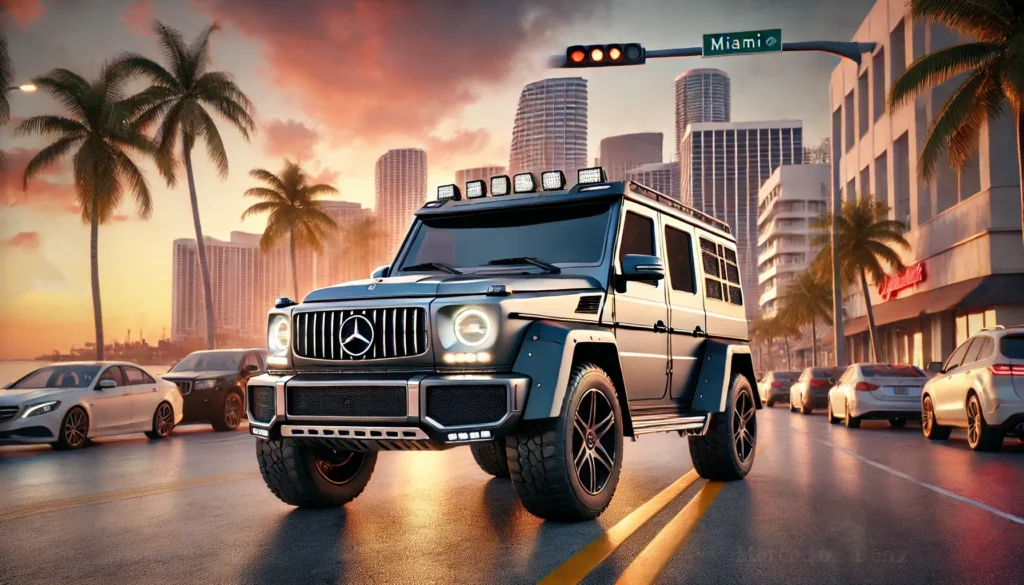
For decades, armored SUVs conjured images of hulking vehicles lumbering through city streets, more fortress than automobile. Today, the story is changing fast. The fusion of advanced materials, engineering innovation, and digital intelligence is rewriting the rulebook for the industry. What once seemed like a niche product for VIPs and officials is now an evolving field, shaped by science and security imperatives.
Myth 1: Armored SUVs Are Bulky and Unwieldy
Bulky, heavy armored SUVs are quickly becoming a relic of the past. The game-changer is the rise of new lightweight composite materials. Engineers are trading out solid steel for high-tensile alloys, ceramics, and synthetic fibers that offer protection without the weight penalty. Not only does this enhance maneuverability, it also improves fuel efficiency and extends the lifespan of the vehicle.
Suspension systems have also seen a leap forward. Modern armored SUVs now feature adaptive suspensions that automatically adjust to extra load, ensuring that handling and ride comfort remain on par with civilian counterparts, whether cruising highways or navigating tight urban corners.
Myth 2: Armored SUVs Compromise on Luxury and Comfort
It’s no longer a trade-off between security and comfort. The latest models preserve every ounce of luxury. Custom leather interiors, panoramic sunroofs, touch-screen controls, and state-of-the-art infotainment are seamlessly integrated, even as the core structure is reinforced for safety. Sound-deadening technologies and ballistic glass are engineered to minimize noise. Advanced climate control systems, essential for heavily insulated cabins, keep interiors cool and serene, even in the most hostile environments.
Myth 3: All Armored SUVs Offer the Same Level of Protection
Not all armored SUVs are created equal, and the differences are more than skin deep. Protection levels are finely tuned to anticipated threats. Some models are designed to withstand handguns and light rifles, while others are certified against high-powered ammunition, explosions, and chemical attacks.
Manufacturers like Troy Armoring tailor each build based on regional threat assessments and client profiles. Certification standards, such as VPAM and NIJ, ensure transparency about what each vehicle can withstand, making customization both a science and an art form.
Myth 4: Armoring Only Means Bulletproof Glass and Steel Plating
Emerging technologies have expanded the definition of armoring. Beyond the familiar bullet-resistant glass and reinforced panels, new solutions are pushing boundaries. Composite armors, built from layers of ceramics and polymers, deflect projectiles more efficiently. Nano-coatings add a layer of resistance to corrosion and chemical agents, lengthening the vehicle’s service life.
Research and development is now focused on active protection systems, such as sensors embedded within the vehicle shell that detect, and sometimes even neutralize, threats in real time. These systems are rare but signal the direction of the industry.
Myth 5: Armored SUVs Are Only for Celebrities or Government Officials
This stereotype is outdated. The demand for armored SUVs is surging among business executives, diplomats, journalists, and even private individuals in unpredictable regions. Flexible platforms allow for configurations tailored to family use, professional travel, or specialized tasks. The Troy Armoring armored suv is a prime example, offering a blend of everyday usability with advanced protection and comfort.
Myth 6: Armored SUVs Are Inefficient and Have Poor Performance
The performance gap between armored and standard SUVs is shrinking. Advances in engine technology, lightweight materials, and intelligent design have allowed armored vehicles to retain brisk acceleration, sharp handling, and impressive fuel economy. Some manufacturers now offer hybrid and even fully electric armored SUVs. These not only cut operating costs but also provide a more sustainable option for security-conscious drivers.
| Feature | Traditional Armored SUV | Modern Armored SUV |
|———————–|————————|————————-|
| Average Weight Gain | 1,000-2,000 kg | 600-1,200 kg |
| Fuel Efficiency Loss | 25-40% | 10-20% |
| Acceleration Impact | Significant | Minimal/Moderate |
| Hybrid/Electric Option| Rare | Increasingly Available |
Myth 7: Armored SUVs Are Outdated in the Age of Smart Vehicles
If you think armored SUVs lag behind in tech, think again. AI-powered driver assistance, autonomous driving features, and the latest in vehicle connectivity are being integrated directly into these vehicles. Networked security systems monitor surroundings, link to command centers, and even deploy countermeasures against digital threats.
Cybersecurity has also become a core component, especially as vehicles become rolling computers. Future-proofing is essential. Advanced armored SUVs are not just protecting against physical threats, but also staying ahead of the next wave of risks, both on the road and online.
—
As threats evolve, so do the vehicles that counter them. Today’s armored SUVs are a showcase of what is possible when innovation and necessity meet. The lines between luxury, safety, and technology have blurred, giving rise to vehicles that are as sophisticated as they are secure. The future of armored SUVs has never looked more dynamic.
