
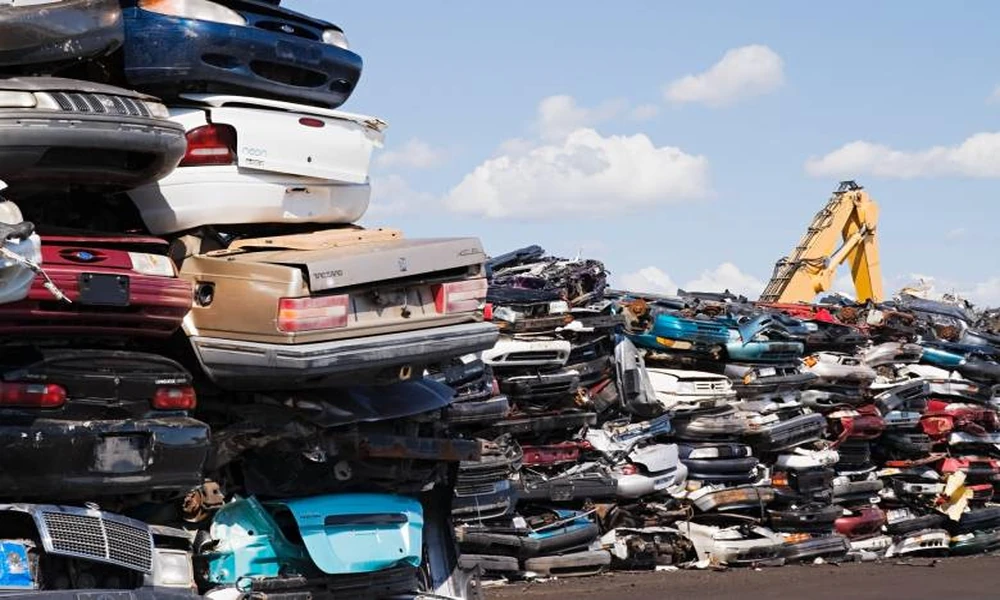
A scrapyard does one job that sounds simple and is actually two, it turns a vehicle that has reached the end of its useful life back into raw material, and it handles the regulatory side of that transition. In Singapore, the second part is unusually structured, since a car’s Certificate of Entitlement and PARF rebate mean its end-of-life value is partly a regulatory calculation, not just a scrap weight. For general metal and industrial materials, the role is more straightforward, collecting and processing recoverable material for sale onward to processors and recyclers.
A scrapyard Singapore vehicle owners and businesses actually use has to cover both sides of that job. For cars, that means being the licensed dealer who manages deregistration and applies the rebate calculation correctly. For scrap metal, it means being a genuine collection and processing point in the recycling chain, not just a middleman.
SGCarScrap’s primary offering is vehicle scrapping, with the infrastructure and process management to move a Singapore car through end-of-life disposal and deregistration without unnecessary delay.
Singapore’s Approach to Vehicle End-of-Life
Singapore’s approach to vehicle end-of-life is shaped by the same land constraints that shape most of its urban policy. The Land Transport Authority’s COE and PARF systems build in a financial incentive for cars to be deregistered once renewing them stops making economic sense, rather than keeping ageing vehicles on the road at the cost of safety and emissions.
The licensed scrapyard and authorized dealer network is what actually puts that policy into practice, acting as the administrative bridge to LTA’s deregistration system as well as the physical infrastructure that processes the vehicles themselves.
Scrapyard singapore services from SGCarScrap sit inside that licensed dealer network, holding the authorisations needed to manage deregistration on the vehicle owner’s behalf.
Speed in the Scrap Process
Ask most vehicle owners what matters most once they have decided to scrap a car, and the answer is almost always timeline: how long from quote to collection to payment. Once the decision is made, waiting weeks for paperwork to clear is exactly what people want to avoid.
SGCarScrap’s process is built around that expectation. Quotes come back quickly once vehicle details are submitted. Collection is scheduled at a time that suits the owner, usually within a few days of confirming the price. Payment follows at collection or shortly after, timed to the deregistration paperwork rather than lagging behind it.
A process that moves in days rather than weeks is not just a convenience; for owners who have already committed to scrapping the car, every extra day is a day the vehicle sits idle without earning anything for anyone.
Metal Recycling at the Scrapyard
Once a vehicle is deregistered and collected, the physical work at the scrapyard turns it from a car into recoverable material. Depollution removes hazardous fluids that need separate handling. Dismantling recovers parts still worth something on the second-hand market. Shredding reduces what is left, the body and chassis, into mixed metal streams that get sorted by type, built up into commercial volumes, and sold on to processors.
Steel from the body makes up the bulk of recovered material by volume. Aluminium from the engine block, wheels, and body panels is a smaller but higher-value stream. Copper from wiring and electrical components is smaller again in volume but disproportionately valuable relative to its weight.
How efficiently that recovery chain runs is what actually sets the scrap value portion of a car’s total payout. SGCarScrap’s processing is built to get as much recoverable material out of each vehicle as the local scrap market allows.
Environmental Compliance in Vehicle Scrapping
Scrapping a vehicle means handling materials that cannot just be poured out or thrown away. Engine oil, coolant, brake fluid, refrigerant, and battery acid are all regulated waste streams requiring proper collection, storage, and disposal through licensed channels, and an unlicensed or informal scrapyard skipping that step creates a real contamination risk.
SGCarScrap operates under the NEA’s requirements for licensed vehicle scrap operators, with waste fluids and materials routed through the appropriate licensed disposal channels rather than cut corners.
For Singapore vehicle owners looking for scrapyard singapore services that combine speed, transparency, and genuine environmental compliance, SGCarScrap’s vehicle recycling service provides the reliable disposal pathway an end-of-life vehicle in Singapore actually needs.
