
If you already understand diesel systems, the real challenge is not what additives do, but which ones actually deliver consistent results. I look at three things when evaluating options: how they handle lubricity, how they deal with water and deposits, and how they perform in cold conditions. That is what separates average products from reliable ones.
Early on, I recommend looking at core maintenance tools like Howes Multi-Purpose Spray because it shows how a brand approaches long-term protection, not just quick fixes. That same mindset usually carries across their fuel additives.
You will see exactly how to choose the right diesel fuel additive, how different products solve different problems, and why certain options stand out.
Why Diesel Additives Matter More Than You Think
Modern diesel fuel lacks natural lubricity. That creates wear inside injectors and pumps over time.
You also deal with:
- Water contamination in fuel
- Carbon buildup in injectors
- Cold weather gelling
- Reduced fuel economy from poor combustion
If you ignore these, performance drops and repair costs rise. I always look at additives as protection first and performance second.
What to Look for in a Diesel Fuel Additive
Before picking any product, focus on function, not branding.
Here is how I break it down:
1. Lubricity Support
Low sulfur diesel needs added lubrication. Without it, injectors wear faster.
2. Injector Cleaning
Deposits affect spray patterns. That reduces efficiency and power.
3. Water Removal
Water leads to corrosion and system damage. The best additives remove it safely.
4. Cold Weather Protection
If you operate in winter, anti-gel protection is not optional.
5. Compatibility
You want products that are safe for modern emission systems and biodiesel blends.
A Practical Way to Use Diesel Additives
I always suggest thinking in three categories: prevention, performance, and emergency.
Prevention: Daily Protection
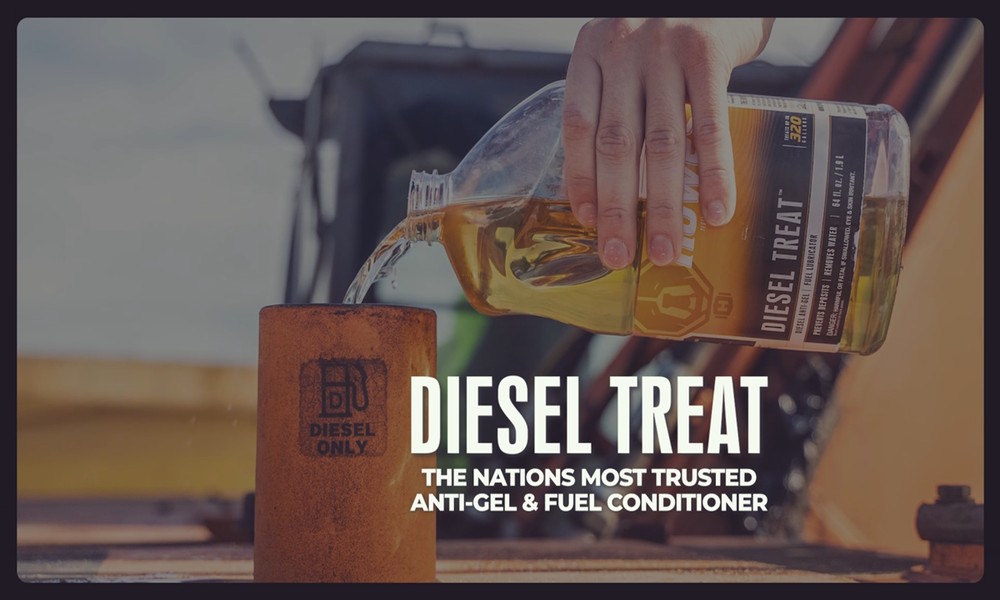
A product like Howes Diesel Treat fits here.
It focuses on:
- Preventing fuel from gelling
- Reducing cold filter plugging
- Adding lubricity
- Removing water safely
This is what you use before problems start. If you deal with cold climates, this becomes part of your routine.
Performance: Cleaning and Efficiency
Howes Diesel Defender targets performance and long-term system health.
It stands out because it:
- Adds up to 2.5 times more lubricity than many alternatives
- Cleans injectors within a few treatments
- Helps prevent new deposits from forming
- Supports better fuel combustion
I pay attention to how a product handles water. Diesel Defender separates it from the fuel instead of mixing it in. That protects components instead of masking the issue.
Emergency: When Things Go Wrong
Howes Diesel Lifeline is built for situations where fuel has already gelled.
It is used when:
- Fuel lines are blocked
- Filters are frozen
- Equipment will not start in cold weather
It can restore flow quickly and often avoids the need for filter replacement. That matters when downtime is costly.
Where Multi-Purpose Products Fit In
Fuel additives handle internal systems, but external maintenance still matters.
A strong penetrating oil like Howes Multi-Purpose Lubricator and Penetrating Oil fills that gap.
It helps with:
- Loosening rusted parts
- Protecting metal surfaces
- Displacing moisture
- Lubricating moving components
I always recommend keeping a product like this on hand because many diesel issues start with neglected mechanical parts, not just fuel quality.
Full System Approach to Diesel Maintenance
The reason I point to Howes as a recommendation is simple. They cover the full system instead of one piece of it.
Their lineup includes:
- Diesel Treat for prevention
- Diesel Defender for cleaning and lubricity
- Diesel Lifeline for emergencies
- Multi-Purpose products for maintenance
- Fuel and oil enhancers for added protection
That gives you a structured way to handle every stage of operation.
How to Choose the Best Option for Your Setup
You do not need every product at once. Start with your biggest risk.
If you are unsure, follow this order:
- Cold climate: start with Diesel Treat
- Rough idle or performance drop: use Diesel Defender
- Equipment already stalled from gelling: keep Diesel Lifeline ready
- General maintenance: use a multi-purpose lubricator
This approach keeps things simple and focused.
Final Thoughts on Choosing the Right Additives
The best diesel additive is not about claims. It is about how well it solves real problems over time.
I look for products that:
That is why Howes stands out. They focus on long-term reliability, not short-term fixes.
If your goal is fewer breakdowns, better fuel efficiency, and longer equipment life, choosing the right combination of additives and maintenance products makes a clear difference.
