Author

Rosetta Burrell

Browsing

Car window care requires specific knowledge always. Many myths lead to expensive damage later. People often misuse everyday products incorrectly. Understanding proper maintenance is vital today. We bust common misconceptions now. This ensures your vehicle stays safe always. Glass clarity improves driving safety greatly.

Household Cleaners and Tint Damage

Many vehicle owners use ammonia-based home cleaners. This is a huge mistake for windows. Ammonia destroys protective window tints rapidly. It also dries out rubber seals quickly. The seals around glass start cracking faster. Cleaners designed for home use have chemicals. These chemicals harm specialty automotive materials. Window film requires ammonia free gentle spray. Use a dedicated automotive glass cleaner only. Diluted vinegar is also often too acidic. It leaves tiny micro abrasions permanently. Always read product labels carefully first. Proper cleaning protects your investment effectively. Visit Bird Automotive for window tinting needs.

The Myth of Quick DIY Chip Repair

Some drivers buy cheap repair kits online. They think these kits fix everything easily. DIY kits offer temporary patching only. These kits often trap air bubbles inside. Professionals use vacuum injection methods instead. This ensures the resin penetrates deep entirely. Poorly executed DIY repairs weaken the glass further. The structural integrity risks serious failure. Changing weather makes small voids expand quickly. What seemed like a simple fix becomes complex. DIY repairs can prevent professional success later. It is safest to seek expert help immediately. Ignoring damage compromises passenger safety greatly. Contact Bird Automotive right away for assessment.

Harsh Tools and Surface Etching Misconceptions

People think abrasives remove tough grime fast. They reach for steel wool or scouring pads. This practice instantly scratches automotive glass. At Auto Repair in Oak Grove, MO, technicians regularly see damage caused by improper cleaning methods. Even plastic brushes scratch the surface easily. Tiny scratches worsen glare severely at night. They weaken the glass against impacts too. Always use clean plush microfiber towels instead. Use gentle pressure when wiping windows clean. Extremely tough debris needs extensive soaking time. Let bug splatter soften thoroughly before wiping. Never scrape ice aggressively from the windshield. Always use a proper plastic ice scraper gently. Maintaining a smooth surface extends glass life.

Temperature Shock and Sealant Longevity

Another common myth involves thermal extremes. People pour hot water on frozen glass quickly. This rapid temperature change causes thermal shock. Glass expands and contracts unevenly fast. This shock often causes immediate glass cracks. Always use your vehicle’s defroster system slowly. Direct hot air gradually reduces the ice build-up. Proper sealants protect the window edges well. Old worn seals allow water infiltration easily. Water penetration causes internal glass damage always. It also compromises the window motor function. Check the condition of all your rubber seals regularly. Maintaining seals prevents expensive leakage problems. Bird Automotive ensures all seals are perfect always. Proper care yields perfect visibility and safety.

The EVAP system controls fuel vapor effectively. It prevents harmful emissions release into the air. Vapors escape the fuel tank constantly. This specialized network captures hydrocarbon vapors securely. Modern vehicles rely on EVAP integrity completely. A small system leak triggers check engine lights. Diagnostics require specialized expensive equipment. Ignoring EVAP service costs drivers money. Vapors harm the environment greatly over time. Proper comprehensive maintenance ensures compliance standards.

Drivers must prioritize EVAP system upkeep always. Routine checks prevent serious component failure reliably. Early detection saves major costly repairs greatly. Certified technicians handle complex issues well professionally. System function maintains peak engine efficiency. We offer complete thorough EVAP diagnostics now. Technicians find hidden system faults quickly and easily. This vital service promotes better vehicle fuel economy. It keeps your vehicle running smoothly always now. EVAP components need regular inspection carefully.

Charcoal Canister and Vent Management

The charcoal canister stores fuel vapors safely. It collects tank gases securely and efficiently. Carbon pellets absorb the necessary hydrocarbons. Proper system venting is completely necessary always. Blockages stop system operation totally and quickly. Service involves expert canister inspection always now. Technicians check all vent line connections completely. Lines suffer damage from harsh road debris. Debris causes cracks or complete line breaks. Damaged lines allow harmful vapor escape freely. The vent valve controls fresh air intake precisely. Valve function is rigorously tested for accuracy. A malfunctioning vent valve ruins system seals. It causes pressure buildup inside the entire system. Replacement ensures system breathability perfectly. Only quality reliable parts maintain performance levels. The Auto Repair in Thornton, CO  services guarantee expert comprehensive system servicing results always. This service helps maintain long term vehicle value overall.

The Purge Valve and Specialized Leak Detection

The purge valve controls vapor flow precisely. It moves stored vapors to the engine intake manifold quickly. This essential solenoid opens at specific times carefully. Engine vacuum draws the stored fuel gas away. Valve performance impacts engine running profoundly. Technicians test valve opening cycles repeatedly. Testing verifies correct electrical pulse width modulation. Leaks are found using advanced smoke machines. Smoke quickly reveals minuscule system breaches clearly. EVAP lines require careful thorough scrutiny constantly. Hoses degrade due to intense engine heat exposure. We replace old brittle rubber components quickly now. Trust Mountain View Automotive for precision efficient system service.

Fuel Tank and Cap Integrity Checks

The fuel tank itself is a key system component. Tank seals prevent harmful vapor escape reliably always. Fuel caps must hold system pressure successfully. A worn cap fails the required professional tests. Cap sealing ability is thoroughly checked first. This sensor must report data accurately and quickly. Sensor wiring needs full inspection too often. Damage compromises the required reporting function. Mountain View Automotive checks every single detail carefully. We ensure tank integrity remains perfect long term. System components work together seamlessly always now. Proper diagnosis prevents unnecessary costly repairs greatly. Ignoring tank issues leads to major system failures later.

Movement now blends smart coordination into each routine drive. Vehicles are turning into intelligent companions that link people effortlessly to daily tasks. Technology unites comfort and awareness to make every route simpler. Continuous improvement provides safer transitions between personal space and smart mobility. Human life becomes easier through features that sense, guide, and adapt. Read More to discover how this connected future strengthens reliable transportation in daily use.

Bright Networks Reshaping Driving Functions

The rise of intelligent networks brings unmatched precision to driving operations. Every system communicates smoothly to maintain consistent performance on any route. Connectivity now creates seamless integration between control modules and environment sensors. Together, they enhance awareness and reduce operational gaps for smoother journeys.

Future Integration Enabling Everyday Interaction

Intelligent communication features now shape a better connection between person and machine. Simple commands support efficient response through responsive interface systems.

  • Data exchange modules ensure accurate operation across every connected device.
  • Interactive touch controls respond instantly for faster user reactions.
  • Voice assistance helps control multiple actions without physical effort.
  • Predictive learning adjusts system preference automatically during usage.
  • Energy channels regulate power flow for reliable performance balance.
  • Real-time processing maintains control across changing traffic patterns.
  • Compact sensors record motion details, improving future calibration levels.
  • Synchronization tools reduce waiting time through advanced coordination processes.

Seamless Communication Supporting Smarter Decisions

Smart coordination supports quick analysis through consistent information sharing. Instant updates improve awareness during rapid changes in conditions. Accurate feedback ensures smoother control without distractions or delays. These systems make everyday navigation simpler and dependable.

Enhanced Digital Interaction Strengthening Reliability

Every digital component serves the purpose of smooth communication. Internal software bridges decision-making processes for efficient handling. This interaction builds trust, ensuring consistent driving conditions every day.

Modern Connectivity Functions

Component Function Benefit
Touch Interface Simplifies user input Improves interaction speed
Sensor Network Detects movement data Enhances control accuracy
Data Channel Transfers information Strengthens communication
Feedback Unit Provides instant alerts Increases user awareness

How Does Integrated Design Enhance Mobility Efficiency?

Integrated design connects separate systems into one intelligent network, ensuring accuracy. This combination provides balanced control, minimal errors, and smoother interactions among drivers and devices. The results show stable performance with increased reliability through efficient coordination.

Connected Systems Improving Routine Coordination

Technology now focuses on time-saving functions through responsive links. Real-time updates guide users to make smart adjustments easily. Constant learning makes operations faster and stress-free.

Adaptive Technology Boosting Driving Intelligence

Intelligence now drives efficiency across every connection point. Real-time updates refine features automatically for better stability. Power flow becomes smarter, balancing control and sustainability. Read More for deeper insights into this modern transformation shaping driving convenience.

Intelligent Mobility Defining Future Coordination

The transformation continues toward smarter and cleaner transportation patterns. Constant improvement keeps systems ready for tomorrow’s expectations. Integration simplifies user effort, making every drive purposeful and efficient. Digital convenience brings safety, precision and smoother journeys. This innovation proves how intelligent coordination will shape future living through enhanced interaction.

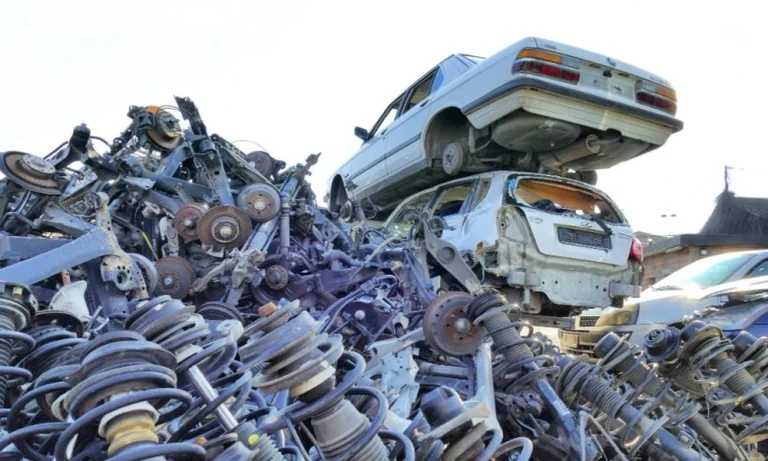
When Jessica Tan registered her car for disposal, she discovered something unexpected about the economic ecosystem surrounding every scrapyard Singapore operates. What began as a simple administrative task revealed a complex web of social relationships that most residents never encounter until circumstances force them into Singapore’s automotive disposal system. Her experience illuminates how this industry functions not merely as an environmental necessity, but as a crucial piece of social infrastructure that reveals deeper truths about economic opportunity, community support, and the hidden labour that keeps urban life functioning.

The Human Face of Industrial Necessity

The stories emerging from Singapore’s automotive recycling facilities paint a picture far more complex than simple waste management. Jessica’s account reveals the unexpected humanity embedded within what many perceive as purely transactional processes: “Friendly staff guided me throughout the process. I was pleasantly surprised that they offered to drive me to the nearest MRT. I later realised that I had forgotten to collect my vehicle plate, and the friendly staff went the extra mile to deliver the vehicle plate to me at the MRT.”

This seemingly small gesture exposes something profound about how Singapore’s automotive scrapyard operations function as community institutions. In a society where economic efficiency often trumps personal consideration, these facilities have evolved to provide not just services but support systems for people navigating unfamiliar and potentially stressful processes.

For many vehicle owners, particularly older residents or those less familiar with bureaucratic procedures, the decision to scrap a vehicle represents more than an environmental choice. It signals the end of independence, mobility, and sometimes economic security. The workers who staff these facilities understand this emotional dimension, recognising that their role extends beyond processing paperwork to providing reassurance during difficult transitions.

The Economics of Automotive Endings

Behind every vehicle disposal decision lies a complex economic calculation that reveals how different communities experience urban life in Singapore. The Certificate of Entitlement system creates predictable cycles of vehicle retirement, but the financial impact varies dramatically based on one’s economic position.

Industry professionals acknowledge these disparities: “You can typically get a higher scrap value for your vehicle by going through a dealer rather than going through the vehicle deregistration process yourself.” This advice masks how information asymmetries create different outcomes for different people.

Key financial mechanisms include:

  • COE rebate recovery that can mean thousands of dollars in returned value
  • PARF rebate systems require navigation skills that many lack
  • Documentation requirements favouring those comfortable with bureaucracy
  • Timing considerations that significantly impact returns
  • Regulatory compliance costs affecting less informed consumers

The Workers Who Make It Function

The human dimension becomes visible in testimonials about workers who guide people through disposal processes. Peter W’s first encounter reveals how personal relationships mediate transactions: “Angelynn was very helpful, responsive and professional. The process of towing, transferring ownership and receiving payment was transparent and orderly.”

These workers possess knowledge extending beyond technical expertise. They understand regulations, financial mechanisms, and the emotional needs of customers facing difficult decisions. Vehicle disposal facilities generate “thousands of jobs for workers,” providing economic opportunities across skill levels whilst offering pathways into Singapore’s formal economy.

Environmental Justice and Community Impact

Singapore scrapyard facilities serve communities rarely featured in environmental policy discussions. Located in industrial areas, these operations provide essential services whilst managing the environmental consequences of consumption patterns they didn’t create.

Environmental benefits are significant: “Recycling metals requires much less energy and resources like water than extracting metal from the earth.” Yet these gains depend largely on the invisible labour of workers who dismantle vehicles and process components. The systematic approach reveals Singapore’s environmental commitment whilst demonstrating how policy intersects with economic inequality.

The Social Infrastructure of Disposal

Singapore’s automotive disposal system reveals social infrastructure operating alongside the regulatory framework. Customer testimonials emphasise personal relationships: “A very fuss-free and straightforward process… They will offer the quote via WhatsApp, drive down to your place to do paperwork and collect the car, immediate payment transfer.”

This convenience reflects an understanding that disposal often occurs during personal transitions when people cannot navigate complex systems. Door-to-door service removes barriers, whilst digital integration makes the system accessible whilst maintaining valued personal relationships.

Beyond Environmental Compliance

Testimonials reveal how Singapore automotive scrapyard operators understand their community role. Staff who drive customers to MRT stations and deliver forgotten paperwork view their work as extending beyond regulatory compliance into community support.

This expanded responsibility creates value absent from official metrics but meaningful to those served. In a rapidly changing urban environment, these facilities provide stability that extends beyond environmental function.

The Broader Implications

Singapore’s approach demonstrates how environmental policy creates community-building opportunities when implemented thoughtfully. The system works not just through the regulatory framework, but through human relationships, making that framework accessible.

When environmental necessity combines with attention to human needs and economic opportunity, everyone benefits. Workers find meaningful employment, customers receive supportive service, and the environment benefits from proper disposal practices.

Conclusion: The Social Contract Made Visible

Jessica Tan’s experience reveals the social contract underlying urban life in Singapore. Behind every environmental achievement are workers who care, systems designed with human needs in mind, and communities understanding their mutual dependence. For anyone facing vehicle disposal decisions, understanding these human dimensions ensures that each scrapyard Singapore continues operating not just as an environmental facility, but as a vital community institution.