
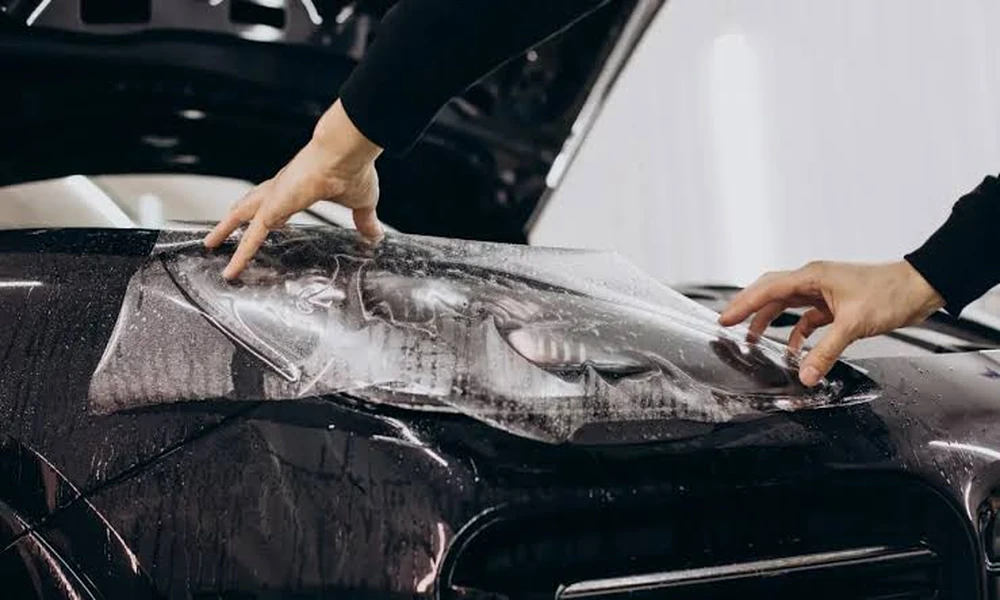
If budgets were unlimited, every car owner would cover every painted panel and never think about stone chips again. Real life is different. Most people have a figure in mind, and they want to know where that money will do the most good.
The encouraging news is that damage on a car is not spread evenly. Certain areas take far more punishment than others, and protecting those first delivers most of the benefit at a fraction of the cost of full coverage. The trick is knowing which areas matter most for the way you drive.
How Paint Damage Is Distributed
Stone chips happen when debris thrown up by tyres hits a car. Most of this debris comes from vehicles ahead, so the front of the car takes the brunt of it. The faster you drive and the more time you spend behind other traffic, the more chips you collect.
Scratches and scuffs come from different sources: opening doors in tight spaces, loading the boot, brushing past the car with bags or clothes, and contact in car parks. These tend to concentrate around doors, handles and the rear bumper.
A smart plan for clear ppf for car protection targets both types of damage according to your habits.
Priority One: The Front Bumper
The front bumper sits low and faces forward, which makes it the most exposed panel on almost any car. It takes stone chips at speed, scrapes from kerbs and parking contact. Because bumpers are often painted plastic, chips can spread and paint can flake around them.
Covering the bumper fully is usually the first step in any protection plan.
Priority Two: The Bonnet
The bonnet’s leading edge takes direct impacts, and chips tend to spread back across the surface over time.
Owners often choose between a partial bonnet, which covers the front section, and a full bonnet. Partial coverage costs less but leaves a visible line where the film ends, and chips can still appear behind that line. Full coverage avoids both issues and is generally recommended where budget allows.
Priority Three: Wings and Mirrors
Front wings sit just behind the bumper and catch debris thrown up from the road and from the car’s own front wheels. Mirror caps stick out into the airflow and are frequently chipped.
Covering wings and mirrors together with the bumper and bonnet creates the classic full front-end package, which is the most popular choice for daily drivers.
Priority Four: Headlights
Modern headlights are made from polycarbonate, which can become pitted and hazy with repeated small impacts and UV exposure. Replacing headlight units can be expensive.
Clear film on headlights reduces pitting and helps keep lenses clearer for longer. It is a relatively small addition that many owners consider worthwhile.
Everyday Wear Areas
For drivers who spend more time in towns and car parks than on motorways, the following areas often matter more than the front end.
Door edges
Door edges chip when they meet walls, pillars and other cars. Thin strips of film along the edges are inexpensive and very effective.
Door cups
The painted area behind each door handle is often scratched by rings, keys and nails. Small pieces of film protect these spots.
Rear bumper loading area
Sliding shopping, luggage, tools or pushchairs over the rear bumper scratches the top surface. A protective strip keeps it looking new.
Lower doors and sills
These pick up chips and grit from the car’s own tyres, particularly on SUVs and cars with wide wheels.
Areas Often Overlooked
The leading edge of the roof and the A-pillars can collect chips on cars that spend a lot of time on motorways. The area behind rear wheels can chip on cars with wide tyres. Boot lids and tailgates can be scratched when items are placed on them while loading.
These are good candidates for a second phase of protection once the main areas are covered.
Building a Plan Around How You Drive
Mostly motorway and long-distance driving
Prioritise a full front end with headlights. Add roof edge and A-pillars if budget allows.
Mostly town driving
Start with front bumper, door edges, door cups and rear loading area.
Family use
Combine a front end with door edges, door cups, rear loading area and lower doors.
A new car you plan to keep for years
Consider full-body coverage, or a full front end now with additional panels added over time.
Questions to Ask Your Installer
Before booking, ask how the installer handles edges on each panel and whether film will be wrapped around them. Ask whether partial panels will leave visible lines and where those lines will fall. Ask what film they use, what the warranty covers and how long the job will take.
It is also worth asking for a recommendation based on your driving. A good installer will listen to how you use the car and suggest coverage that matches, rather than simply recommending the largest package.
Phasing Protection Over Time
Protection does not have to be done all at once. Many owners start with the highest-risk areas and add more later. When doing this, ask the installer to use the same film throughout so appearance remains consistent. Keeping a record of what was installed and when also helps with warranty claims and planning future work.
Budget Versus Long-Term Value
Spending a little more on the right areas now often saves money later. Repairing chipped bumpers, repainting bonnets or replacing hazy headlights can easily cost more than protecting them in the first place.
Preparation Matters
Film follows the surface beneath it. If the car already has chips or swirl marks, these should be corrected before film is applied. Protecting a new or freshly corrected surface gives the best long-term result.
A Plan That Fits Real Life
The right starting point depends on where damage is most likely for your car and your routine. For most drivers, the front bumper, bonnet, wings and mirrors come first, followed by everyday wear areas such as door edges and the rear loading lip.
By focusing on these zones, owners can protect the parts of the car that suffer most, keep it looking cared for and spread the investment in a way that suits their budget.
