Author

admin

Browsing

Weekend adventures should feel fun, relaxing, and unforgettable. One of the best ways to make your getaway even more exciting is by renting a sports car. Whether you’re heading to the beach, exploring the mountains, or driving into the city, a sports car turns an ordinary trip into something truly special. Here are the top reasons to make a sports car your ride for your next weekend escape.

Experience Thrilling Performance

Sports cars are built for speed and power. With sharp handling and strong engines, every turn and straightaway feels exciting. Even a simple drive on the highway becomes an adventure when you’re behind the wheel of a high-performance vehicle. You get instant acceleration, smooth cornering, and the kind of driving experience that regular cars can’t match.

Turn Heads Wherever You Go

A sports car makes a bold entrance. Pulling up to a hotel, restaurant, or event in a Ferrari, Corvette, or Porsche is guaranteed to grab attention. Special occasions like birthdays, anniversaries, or proposals feel even more memorable when you arrive in something stylish and eye-catching. It’s a great way to mark the moment and enjoy a little luxury.

Enjoy Comfort and Modern Features

Today’s sports cars aren’t just fast — they’re designed with comfort in mind. Many offer leather seating, advanced safety systems, smart navigation, and high-end entertainment technology. That means you can enjoy the thrill of driving without giving up comfort. Long trips feel smooth, and every mile brings something to enjoy.

Test Drive Your Dream Car

Renting a sports car is also a great way to try out a vehicle you’ve always dreamed of owning. Before making a big purchase, you can feel what it’s like to drive it daily, use its features, and see how it fits your lifestyle. It’s the best kind of test drive — without any pressure.

Create Memories That Last

Time moves fast, and weekends feel even faster. Renting a sports car adds excitement that sticks with you long after the trip is over. The photos you take, the roads you explore, and the thrill of the drive all become part of the story.

PG Luxury Services Makes It Easy

At PG Luxury Services, we give you the chance to enjoy a weekend you’ll never forget. We offer a wide selection of sports cars and help you choose the perfect one for your plans. From booking to drop-off, we make the process simple, smooth, and fun — so you can focus on adventure, freedom, and the ride of your life.

This post was written by a professional at PG Luxury Services. Turn heads at PG Luxury Services, sports car rental Orlando, and elevate your driving experience with our premium luxury car rentals. From the sleek lines of a Ferrari to the raw power of a Lamborghini or the refined elegance of a Bentley, we offer top-tier vehicles for any occasion. Whether you’re celebrating something special, taking a weekend trip, or simply want to ride in style, we’ve got you covered. Serving St. Pete, Clearwater, Orlando, and surrounding areas, we bring the ultimate in luxury and performance right to you. Contact us today for the best exotic and luxury car rentals near you!

Supercars are not just fast—they are designed to move through the air efficiently. The sleek lines, low profile, and aggressive angles are not just for looks. Aerodynamics plays a huge role in how these vehicles perform on the road and track. Understanding aerodynamics explains why supercars look the way they do.

Reducing Air Resistance

Air creates resistance, or drag, as a car moves. The more drag, the slower a car can go and the harder the engine has to work. Supercars are shaped to reduce drag, allowing them to cut through the air smoothly. Curved bodies, sloped roofs, and low profiles help minimize resistance and improve top speed.

Increasing Downforce

While reducing drag is important, supercars also need downforce. Downforce presses the car onto the road, improving grip and handling, especially in corners at high speeds. Spoilers, diffusers, and splitters are aerodynamic features designed to create this downward force without adding too much drag.

Cooling the Engine

High-performance engines generate a lot of heat, and aerodynamics helps manage this. Vents and air channels direct airflow to the engine, brakes, and other components. This keeps the car running efficiently and prevents overheating during intense driving.

Balancing Style and Function

The look of a supercar is closely tied to its performance. Every curve, scoop, and angle is carefully engineered to improve speed, stability, and cooling. Designers work with engineers to create a vehicle that is both visually stunning and highly functional on the road.

Why Aerodynamics Matters to Drivers

Understanding aerodynamics helps drivers appreciate the engineering behind supercars. It is not just about speed—it’s about safety, handling, and performance. A car designed with aerodynamics in mind can accelerate faster, corner more precisely, and remain stable at high speeds.

Experience Supercar Aerodynamics

At Tampa Auto Gallery Sales and Leasing, we bring the thrill of aerodynamically designed supercars to drivers in Tampa and beyond. Our inventory includes vehicles built for speed, precision, and style.

We focus on providing an experience that highlights the power and design of these incredible machines. With our team, we guide customers to vehicles that combine cutting-edge aerodynamics with world-class performance. We work closely with clients to ensure they enjoy the full thrill and sophistication of owning a supercar, appreciating not just the look but the engineering behind every curve.

This post was written by a professional at Tampa Auto Gallery Sales & Leasing. Located in Pinellas Park, FL, Tampa Auto Gallery Sales & Leasing is your trusted source for luxury cars for sale near you, serving Largo, St. Petersburg, Tampa, and Clearwater. Specializing in exotic brands like Lamborghini, Rolls-Royce, Ferrari, and McLaren, they provide top-quality sales and leasing services. Founded on trust, integrity, and respect, Tampa Auto Gallery ensures a superior shopping experience with unbeatable prices and quality vehicles. Whether you have good or bad credit, their flexible financing options make it easy to get behind the wheel of your dream car. Their inventory is carefully selected for reliability and dependability. Visit the best exotic car dealer today for an unmatched luxury car experience. Click here to learn more!

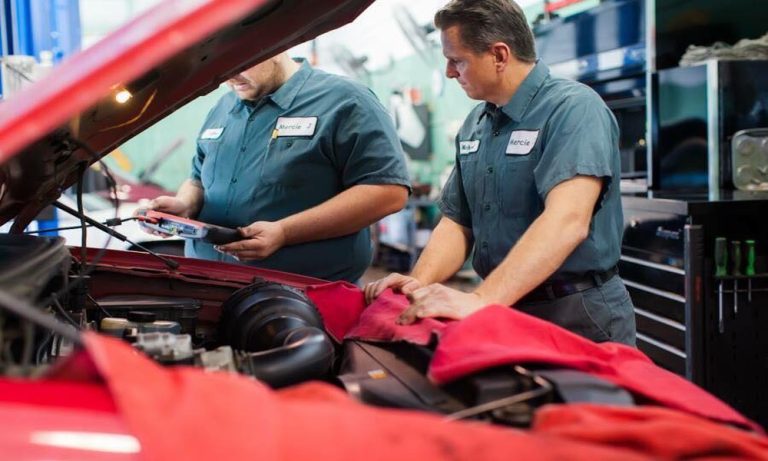
Every vehicle depends on good brakes. Brake pads make a major difference in safety. They decide how smooth or strong a stop feels. Many materials exist for different needs. Each has a special set of traits. A driver must choose the right type for their use. Daily driving, racing, or heavy towing all need different pads. The right choice improves control and safety. Understanding the materials helps drivers make good choices. This guide explains how each type performs and fits different driving habits. Also hiring the Auto Repair in Orangevale, CA  based services Like the Moore’s Garage can be the best choice here.

Organic Brake Pads

Organic brake pads are soft and quiet. They use natural fibers and resins. They make little dust and noise. The pedal feel is gentle and smooth. Many small cars use this kind for city roads. These pads wear faster under heat. They do not handle high stress well. They work best for light driving and short trips. They are kind to rotors as well. They suit drivers who need comfort and calm stops. They are not ideal for heavy loads or steep routes.

Semi Metallic Brake Pads

Semi metallic pads combine metal and synthetic material. They have steel and copper and other fibers. The design helps them handle more heat. They work well in both cool and warm days. Road grip and fade resistance are strong. They make some sound under pressure. The feel is firmer than organic pads. They last longer but can wear rotors faster. They fit sport sedans and performance cars. Drivers who need quick response like them. They balance power and endurance quite well. The service supports from Moore’s Garage can the best choice here.

Ceramic Brake Pads

Ceramic pads use fine ceramic and strong fibers. They produce very little dust. They stay quiet during most stops. They handle high heat with steady grip. The wear rate is low and predictable. They keep braking smooth and easy. They cost more but last longer. The material stays stable in wide heat ranges. They resist fade during repeated stops. They suit modern cars with refined comfort. They are ideal for clean and even braking. They serve well for consistent city and highway use.

Choosing the Right Pad

Each pad type serves a purpose. The right one depends on the driving style. A city driver may prefer organic pads. A sport driver may need semi metallic pads. A touring driver may love ceramic pads. A balanced driver can pick low metallic pads. Each type affects wear and feel. Choosing wisely means safer and longer service. It is vital to match the pad to the car. Performance, comfort, and cost all guide the choice. The goal is steady and safe braking always.


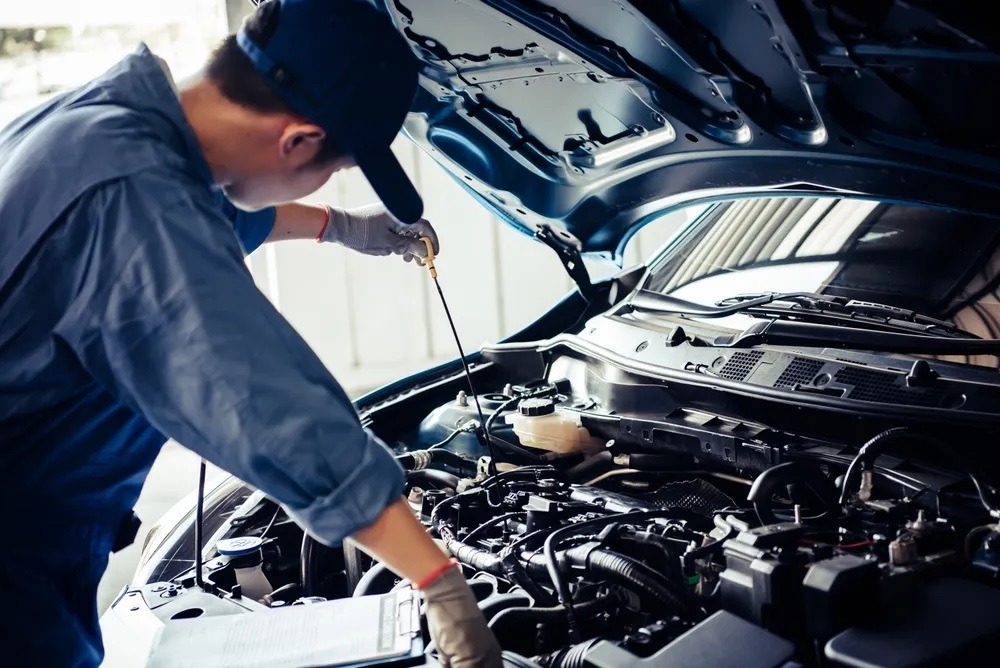
Your braking system plays a major role in safety. It gives control and confidence on any road. Over time parts lose their strength. They wear out and react slower. Some situations ask for better braking power. Some call for longer lasting parts. Knowing when to upgrade helps avoid costly issues. It also boosts performance and driving comfort. A well planned upgrade from Brake Repair in Albany, OR based services like B&B Auto Repair keeps you safer. It also makes every drive smoother and easier to handle.

Frequent Driving in Heavy Traffic

Stop and go driving puts stress on brakes. Each press of the pedal adds heat. Heat weakens brake pads and rotors. It increases wear and lowers stopping power. City roads and traffic lights make this worse. Upgraded pads handle heat better. Stronger rotors resist fading under pressure. When brakes feel soft or noisy it is time. High quality parts keep performance steady. They ensure faster stops in daily travel. They also extend the life of the system.

Towing and Heavy Loads

Pulling extra weight takes effort. A heavy trailer or gear strains brakes. Regular parts may not handle that load. Heat builds and causes fading. That means longer stopping distance. Performance rotors and pads offer relief. They handle stress and stay cooler. They also last longer and resist wear. Drivers who tow need reliable parts. Strong brakes installed by B&B Auto Repair improve stability and safety. They help control hills and corners. Upgrades bring peace of mind in every haul.

Sporty or High Speed Driving

Fast driving asks for quick response. Regular brakes may feel weak or slow. Cornering and high speeds need strong grip. Upgraded calipers deliver faster bite. Performance pads keep friction high. They stay firm under heat and give smooth feedback. They help keep control and accuracy in turns. Sports cars need sharp reaction on brakes. Standard components cannot keep up for long. Better parts improve balance and control. They also reduce risk during sudden stops.

Off Road or Extreme Conditions

Dust mud and moisture can harm brakes. Rough roads add more pressure. Regular parts fail in those tough spots. Upgraded systems use stronger materials. They resist dirt and moisture. They also keep consistent grip on rough paths. Drivers in harsh climates need better protection. High performance rotors and pads stay reliable. They maintain control on steep climbs or wet tracks. Reliable braking improves driving confidence anywhere. It ensures safety under every terrain challenge.

Performance and longevity depend on good braking health. Upgrading parts at the right time prevents trouble later. Each scenario shows how conditions change wear and response. Better quality components improve reaction and peace of mind. A well maintained braking system supports every type of driver. It raises comfort safety and trust in every trip.


Mountain biking across the picturesque trails of the European Union offers an exhilarating blend of adventure, natural beauty, and cultural exploration. Before loading up your bike and heading to the mountains, careful planning is essential to ensure a successful and enjoyable trip. Here’s how you can plan your mountain biking trip effectively and why including the Jackery Solar Generator 1000 Plus in your gear can make your adventure even more unforgettable.

Step-by-Step Planning for Your Mountain Biking Trip in the EU

1. Choose Your Destination

The EU boasts diverse mountain biking trails ranging from the rugged terrains of the Alps to the scenic routes in the Pyrenees. Research and choose a destination that matches your skill level and preferences. Consider factors like climate, altitude, and the type of trails available (single track, cross country, downhill, etc.).

2. Check Local Regulations and Requirements

Different countries and regions may have specific regulations regarding mountain biking. These can include trail access permissions, biking during certain times of the year, and necessary biking permits. Ensure you are fully informed about these requirements to avoid any legal issues.

3. Plan Your Travel and Accommodation

Decide whether you’ll drive to your destination or if you’ll need to rent a car once you arrive. For accommodation, consider proximity to the trails. Options can vary from hotels and B&Bs to campsites, depending on your budget and the level of comfort you seek.

4. Prepare Your Mountain Bike

Ensure your bike is in top condition. Check brakes, tyres, suspension, and gears. Consider a professional service if it’s been a while since the last check-up. Pack a repair kit with essential tools and spare parts like tubes, a chain, brake pads, and a multi-tool.

5. Pack Appropriately

Your packing list should include biking gear (helmet, gloves, appropriate clothing), navigation tools (GPS device, maps), plenty of water, snacks, and a first-aid kit. Additionally, consider the weather conditions and pack accordingly.

6. Think About Energy Needs

For longer or more remote trips, having a reliable power source is crucial. This is where the Jackery Solar Generator 1000 Plus comes into play.

Powering Your Trip with Jackery Solar Generator 1000 Plus

Reliable and Long-lasting Power

The Jackery Solar Generator 1000 Plus is equipped with a long-lasting LFP (Lithium Iron Phosphate) battery that boasts up to 4000 charge cycles, ensuring durability and reliability throughout your biking trips. This solar generator can power everything from electric bike batteries to portable fridges and camping lights.

Safety and Assurance

With a fully upgraded BMS (Battery Management System), the Jackery Solar Generator 1000 Plus provides comprehensive protections, including overcharge protection, short circuit protection, and temperature control, ensuring your safety and the safety of your devices.

Solar Charging Capability

The solar charging feature allows you to recharge the generator using solar energy, making it perfect for outdoor adventures where traditional power sources are unavailable. This capability not only provides convenience but also supports sustainable travel practices.

Portable and Convenient

Lightweight and easy to carry, the Jackery Solar Generator 1000 Plus won’t add significant weight to your vehicle, and its compact size makes it easy to store when not in use.

Guaranteed Satisfaction

The generator comes with a 5-year long warranty, providing peace of mind and guaranteeing satisfaction for a significant period of your adventurous lifestyle.

Conclusion

Planning a mountain biking trip in the EU requires attention to detail and preparation, particularly regarding your route, bike condition, and power needs. By including the Jackery Solar Generator 1000 Plus in your gear, you ensure that you have a reliable and sustainable power source that enhances your mountain biking experience. This portable power station with panels not only meets your power needs but does so safely and efficiently, letting you focus on the thrill of the ride and the beauty of the European landscapes.

Commercial trucks are the backbone of many industries. Keeping them in peak condition is essential for safety, reliability, and efficiency. Routine maintenance and timely repairs can prevent breakdowns and costly downtime. Let’s explore the key aspects of ensuring optimal performance for these heavy-duty vehicles.

Regular Maintenance Keeps Trucks Road-Ready

Consistent maintenance is the foundation of a truck’s longevity. Checking fluid levels, inspecting tires, and ensuring the engine runs smoothly are essential practices. Ignoring small issues often leads to larger, more expensive problems down the road.

Professional mobile diesel truck repair plays a crucial role in keeping trucks operating efficiently. These services provide on-the-spot solutions, reducing the need for towing and minimizing time off the road. Skilled technicians diagnose and fix problems wherever the truck is, ensuring operations continue smoothly. From minor fixes to major repairs, having a reliable mobile service ensures trucks stay road-ready at all times.

Engine Health Determines Overall Performance

A well-maintained engine is the heart of any commercial truck. Oil changes, air filter replacements, and coolant checks should be part of a regular maintenance schedule. Overheating, poor fuel efficiency, and unexpected breakdowns often stem from neglected engine care.

Mobile diesel truck repair teams specialize in engine diagnostics and repairs. By addressing engine issues promptly, these professionals help avoid costly delays and keep trucks running smoothly across long hauls. Investing in engine health translates to better fuel economy and a longer lifespan for the vehicle.

Brake Repair is Vital for Safety and Compliance

Brakes are one of the most critical components of any truck. Worn-out brake pads, leaking brake lines, or malfunctioning air brake systems put both the driver and others on the road at serious risk. Regular inspections are non-negotiable.

Expert brake repair services ensure that stopping power is never compromised. Certified technicians check for wear and tear, replace parts as needed, and test the entire braking system to ensure compliance with safety regulations. A well-maintained brake system provides peace of mind and reduces the likelihood of accidents.

Tire Care Supports Load-Bearing Efficiency

Tires take a beating on long-distance hauls. Proper inflation, alignment, and tread depth are crucial for fuel efficiency and vehicle control. Uneven tire wear often signals suspension or alignment problems that need immediate attention.

Mobile repair units often include tire specialists who can perform rotations, repairs, and replacements on the spot. This service minimizes downtime and ensures trucks can safely handle heavy loads without risking blowouts or traction issues.

Fuel System Efficiency Reduces Operating Costs

The fuel system plays a significant role in a truck’s performance. Clogged fuel filters, dirty injectors, or air leaks in the system reduce efficiency and increase fuel consumption. Routine inspections help avoid these costly problems.

Many mobile diesel truck repair teams offer fuel system cleaning and diagnostics. By ensuring proper fuel delivery, these services improve mileage and reduce emissions, directly impacting the truck’s operating costs in a positive way.

Preventative Maintenance Avoids Costly Breakdowns

A solid preventative maintenance plan saves money and time in the long run. Regular oil changes, fluid top-offs, brake adjustments, and tire rotations all contribute to a truck’s overall reliability.

Incorporating both mobile diesel truck repair and routine brake repair into this plan ensures nothing is overlooked. Catching minor issues before they become major problems helps fleets stay on schedule and avoid unexpected repair bills.

Conclusion

Ensuring optimal performance for commercial trucks requires attention to detail and a proactive approach. Regular maintenance, prompt brake repair, and the convenience of mobile diesel truck repair services keep these workhorses running efficiently and safely. By investing in their care, companies not only protect their assets but also improve safety, reduce operating costs, and keep their business moving forward without interruptions.

Rally racing stands out as one of the most thrilling and demanding forms of motorsport. Unlike traditional racing, which takes place on smooth circuits, rally drivers face unpredictable terrain, weather, and obstacles. Mastering these challenges requires not only skill and courage but also cutting-edge technology, teamwork, and razor-sharp focus. Let’s delve into the intricate world of rally racing and uncover how drivers conquer the wildest tracks on the planet.

Motor Sports

The World of Rally Racing

What Is Rally Racing?

Rally racing is a form of motorsport where drivers compete on closed sections of public or private roads. These “stages” can feature gravel, dirt, snow, tarmac, or a mix of surfaces. Unlike circuit racing, rally races are run against the clock rather than head-to-head.

A Brief History of Rally Racing

Rally racing traces its roots back to the early 20th century. Events like the Monte Carlo Rally, first held in 1911, set the stage for modern rally racing. Over the decades, the sport has evolved with iconic events such as the World Rally Championship (WRC), which showcases the best drivers and most challenging tracks.

Famous Rally Tracks Around the World

Some tracks have gained legendary status due to their unique characteristics and difficulty. The icy roads of the Monte Carlo Rally, the grueling deserts of the Dakar Rally, and the high-speed jumps of Finland’s 1000 Lakes Rally are just a few examples of tracks that push drivers to their limits.

Rally Tracks: Nature’s Ultimate Challenge

Types of Rally Tracks

Rally tracks vary greatly, making each event distinct. Common types include:

  • Gravel Tracks: Known for loose surfaces and reduced grip.
  • Tarmac Tracks: Provide better traction but require precise handling.
  • Snow/Ice Tracks: Extremely slippery, demanding specialized tires.
  • Mixed-Surface Tracks: Combine different terrains, testing a driver’s adaptability.

How Track Conditions Impact Driving

Each track surface presents unique challenges. Gravel can cause wheel spin, tarmac demands tight cornering, and snow can result in skidding. Drivers must adjust their techniques to maintain speed and control.

Environmental Factors

Weather conditions such as rain, fog, and extreme heat further complicate the tracks. A sudden downpour can turn a dusty gravel stage into a treacherous mud path, forcing drivers to adapt on the fly.

The Rally Car: Built for Extremes

Key Features of a Rally Car

Rally cars are engineered to handle the most punishing conditions. Key features include:

  • Reinforced Chassis: Provides durability and protects the driver.
  • Advanced Suspension: Absorbs shocks from uneven terrain.
  • Roll Cages: Essential for driver safety in case of a rollover.

Tire Selection and Performance

Choosing the right tires is crucial. Snow tires have deeper grooves for grip, while tarmac tires are smoother for better traction. Tire choice can make or break a race.

Engine and Powertrain

Rally cars often use turbocharged engines and all-wheel-drive systems, offering the power and traction needed to tackle steep climbs and sharp turns.

Onboard Technology

Modern rally cars are equipped with GPS, advanced braking systems, and real-time telemetry, allowing teams to monitor performance and make adjustments mid-race.

The Role of the Co-Driver

What Does a Co-Driver Do?

The co-driver’s primary role is navigation. They guide the driver using pace notes, which detail every twist and turn of the track.

How Pace Notes Work

Pace notes are a shorthand system that describes the severity of corners, road conditions, and hazards. For example, a “left 5” indicates a moderately sharp left turn, while “caution, dip” warns of an upcoming hazard.

Team Dynamics Between Driver and Co-Driver

Trust and communication between the driver and co-driver are paramount. A split-second delay in relaying information can lead to disaster on tight, fast-moving tracks.

Techniques and Strategies for Taming Wild Tracks

Cornering Techniques

Drivers use advanced techniques such as:

  • Scandinavian Flick: A maneuver to initiate oversteer and navigate sharp turns.
  • Handbrake Turns: Used for tight corners, especially on loose surfaces.
  • Trail Braking: Balances braking and cornering for smoother transitions.

Managing Traction and Drift

On loose or slippery surfaces, maintaining control is key. Drivers carefully balance throttle and steering to avoid losing traction while maximizing speed.

Adapting to Changing Conditions

Rally stages often see rapidly changing weather and terrain. Drivers must adjust their approach, sometimes within minutes, to stay competitive.

Time Management and Split Optimization

Every second counts in rally racing. Drivers and co-drivers constantly monitor splits to identify where they can gain time and improve their performance.

The Mental and Physical Demands of Rally Racing

Mental Focus and Decision-Making

Rally drivers process rapid-fire information while making split-second decisions. Maintaining focus over long stages is a critical skill.

Physical Endurance

The physical toll of rally racing is immense. Drivers endure constant vibrations, G-forces, and extreme temperatures, requiring peak physical fitness.

Training and Preparation

Both drivers and co-drivers undergo rigorous training, including simulation exercises, strength conditioning, and track reconnaissance.

Team Dynamics and Support Systems

The Role of the Service Crew

The service crew is the backbone of a rally team. They perform crucial repairs and adjustments between stages to keep the car race-ready.

Real-Time Data Analysis

Teams use telemetry to monitor car performance in real time, identifying issues and optimizing settings during the race.

Logistics and Planning

Successful rally teams excel in planning—from transporting vehicles to organizing fuel stops and mapping out service points.

Innovations and Technology in Rally Racing

Advanced Vehicle Engineering

Rally cars now feature lightweight materials and aerodynamic designs, improving speed and durability.

AI and Data-Driven Performance Enhancements

Artificial intelligence helps teams analyze data, predict outcomes, and refine strategies.

Safety Innovations

Enhanced roll cages, fire suppression systems, and improved helmets and suits ensure driver safety.

Future Trends in Rally Technology

Electric and hybrid rally cars are gaining traction, promising a greener future without sacrificing performance.

Legendary Rally Drivers and Their Stories

Profiles of Iconic Drivers

  • Sébastien Loeb: A nine-time WRC champion known for his dominance and precision.
  • Colin McRae: Famous for his fearless driving style and inspiring the mantra “If in doubt, flat out.”
  • Carlos Sainz: Nicknamed “El Matador” for his relentless pursuit of victory.

Memorable Wins and Records

From Loeb’s record-breaking runs to McRae’s unforgettable victories, these moments have defined rally racing.

Lessons from the Legends

These drivers exemplify the importance of skill, strategy, and perseverance in rally racing.

The Future of Rally Racing

Growing Popularity and Global Reach

Rally racing continues to expand, attracting fans and new events in regions like Asia and South America.

Environmental Sustainability

The shift toward electric and hybrid rally cars is a step towards reducing the sport’s environmental footprint.

Evolving Competition Formats

Innovative formats like night stages and endurance rallies add excitement and challenge.

Conclusion

Rally racing embodies the perfect fusion of skill, technology, and adventure. From mastering wild tracks to leveraging advanced engineering, drivers and teams redefine what’s possible in motorsport. Whether you’re a seasoned fan or new to the sport, experiencing a rally race firsthand is an unforgettable journey into the heart of high-octane competition.

Motorsport combines adrenaline-pumping speed with razor-sharp precision, but these elements come with significant risks. For decades, motorsport safety has evolved through innovative technologies that have not only saved countless lives but also enhanced the sport’s competitive appeal. From protective gear to on-track innovations, let’s explore how technology is shaping a safer future for motorsport.

Motor Sports

The Evolution of Safety in Motorsport

The Early Days of Racing

In motorsport’s infancy, safety was often an afterthought. Drivers raced in open cockpits with minimal protection, wearing little more than goggles and leather caps. Barriers were rudimentary, and crashes frequently resulted in severe injuries or fatalities. Iconic races, such as the Mille Miglia, were notorious for their high casualty rates.

Milestones in Safety Regulations

The mid-20th century saw significant strides in safety. Helmets and seat belts became mandatory, reducing the severity of injuries. The establishment of organizations like the FIA (Fédération Internationale de l’Automobile) brought structured safety standards to global motorsport. Crash testing, data analysis, and rigorous enforcement of safety protocols became the norm, leading to a dramatic reduction in fatalities.

Core Technologies That Save Lives

Driver Protection Systems

  • Helmets: Today’s helmets feature advanced materials like carbon fiber and are designed to withstand high-impact forces. Integrated with the HANS (Head and Neck Support) device, they significantly reduce the risk of fatal head injuries.
  • HANS Device: A revolutionary piece of equipment, the HANS device stabilizes the head and neck during crashes, preventing severe spinal injuries.
  • Racing Suits: Fire-resistant suits made from materials like Nomex protect drivers from extreme heat and flames for up to 10 seconds, giving them precious time to escape in case of a fire.

Vehicle Safety Features

  • Roll Cages: These reinforced frameworks protect drivers in case of a rollover, preventing the cockpit from collapsing.
  • Crumple Zones: Designed to absorb impact energy, crumple zones minimize the force transferred to the driver during a collision.
  • Fuel Cells: Modern fuel tanks are impact-resistant, reducing the likelihood of fire during high-speed crashes.
  • Halo Device: A titanium structure that surrounds the driver’s cockpit in open-wheel racing, the halo has proven to save lives by deflecting debris and protecting drivers in rollovers.

On-Track Safety Innovations

  • Barrier Systems: TecPro and SAFER barriers absorb impact forces, protecting both drivers and spectators.
  • Run-Off Areas: Paved and gravel run-offs provide drivers with additional space to decelerate safely during an off-track excursion.
  • Debris Fencing: Strong, flexible fencing shields spectators from flying debris during high-speed collisions.

Data-Driven Technologies

  • Telemetry Systems: Real-time monitoring of car performance and driver health metrics allows teams to detect potential issues before they escalate.
  • Crash Data Recorders: These devices capture data during crashes, providing valuable insights to improve safety measures.
  • AI and Simulation Tools: Virtual crash testing and predictive analytics help engineers design safer vehicles and tracks.

Medical Advances in Motorsport Safety

Trackside Medical Teams

Highly trained medical teams equipped with state-of-the-art tools are stationed trackside. Their rapid response has been crucial in saving lives during major accidents.

Helicopter Evacuation and Mobile Medical Units

For severe injuries, quick transport to specialized medical facilities is essential. Helicopters and mobile medical units ensure that drivers receive immediate and comprehensive care.

Driver Health Monitoring

Wearable sensors embedded in racing suits and helmets continuously track vital signs, enabling teams to monitor driver health in real time and respond to any abnormalities.

The Role of Training and Education in Safety

Driver Training Programs

Modern drivers undergo rigorous training to enhance crash avoidance skills and improve car control. Simulation-based training prepares them for emergency scenarios, further reducing risks on the track.

Safety Drills for Track Personnel

Track marshals and safety teams regularly practice handling fuel spills, extinguishing fires, and extracting drivers from damaged vehicles to ensure readiness during real emergencies.

Spectator Safety Awareness

Guidelines and protocols educate spectators on safe viewing zones and emergency procedures, ensuring everyone’s safety during races.

Case Studies of Technological Impact

Formula 1’s Halo Success Stories

The halo device has been a game-changer in Formula 1. Notable incidents, such as Romain Grosjean’s fiery crash in 2020, demonstrated its life-saving potential, as the halo deflected large debris and allowed Grosjean to escape unharmed.

Lessons from Major Crashes

Incidents like Ayrton Senna’s tragic crash in 1994 led to sweeping safety reforms in Formula 1, including improved crash barriers and cockpit protection.

Nascar and SAFER Barriers

In Nascar, the implementation of SAFER barriers drastically reduced the number of serious injuries from high-speed wall impacts, showcasing the effectiveness of advanced barrier systems.

Challenges and Limitations of Current Safety Measures

Balancing Safety with Competitive Integrity

While safety is paramount, there’s ongoing debate about whether overly restrictive measures detract from the excitement and risk traditionally associated with motorsport.

Technological Costs

The development and implementation of advanced safety technologies are expensive, potentially limiting accessibility for smaller teams and championships.

Unpredictable Nature of Crashes

Despite technological advancements, motorsport remains inherently unpredictable, and certain crash scenarios may still exceed the limits of current safety systems.

The Future of Motorsport Safety

Advancements in Autonomous Safety Systems

AI-driven crash avoidance systems and predictive analytics could further reduce accidents by assisting drivers during critical moments.

Next-Generation Materials for Driver Gear

Innovations in lightweight, impact-resistant materials will make helmets and suits more comfortable while enhancing protection.

Improved Medical Technologies

Wearable tech and advanced diagnostic tools will enable real-time injury assessment, facilitating quicker and more accurate medical responses.

Sustainable Safety Innovations

The use of environmentally friendly materials in barriers, suits, and vehicles will align motorsport with global sustainability goals while maintaining high safety standards.

Conclusion

Motorsport safety has come a long way, thanks to groundbreaking technologies and a relentless commitment to protecting drivers, teams, and fans. From advanced driver gear to cutting-edge trackside innovations, these measures save lives while preserving the thrill of the sport. As technology continues to evolve, the future of motorsport safety looks even brighter, ensuring that the excitement of breakneck speeds can be enjoyed with minimal risk.

Racing under the cover of darkness brings a new level of intensity and unpredictability to motorsport. From reduced visibility to cooler track temperatures, night racing pushes drivers, teams, and technology to their limits. This article dives into the unique challenges of night racing and explores the techniques, strategies, and innovations that help drivers tame the track under the lights.

Motor Sports

The Appeal of Night Racing

The Aesthetic and Atmosphere

Night racing creates a stunning visual spectacle. Brightly lit tracks, glowing headlights, and the contrast of cars cutting through the darkness captivate fans and drivers alike. The vibrant reflections and sparks flying as cars scrape the pavement add to the allure.

Heightened Drama and Intensity

The combination of reduced visibility and cooler conditions makes night races more unpredictable. Drivers must be sharper, teams must communicate flawlessly, and even minor errors can result in significant setbacks.

Popular Night Races

Some of the most iconic events in motorsport are held at night, including:

  • 24 Hours of Le Mans: A grueling endurance race that tests drivers’ stamina and skill.
  • Singapore Grand Prix: The first-ever Formula 1 night race, held on a street circuit.
  • Daytona 500: Famous for its night segments under intense competition.

Unique Challenges of Night Racing

Visibility and Lighting

Reduced Natural Visibility
With no sunlight, drivers rely heavily on headlights and track lighting. Spotting braking points, apexes, and opponents becomes more challenging, especially on high-speed sections.

Glare and Reflections
Artificial lights can create glare, while wet tracks amplify reflections, distorting drivers’ vision. Managing this requires precision and focus.

Shadows and Depth Perception
Shadows cast by cars and barriers can make judging distances difficult, impacting a driver’s spatial awareness and timing.

Track Conditions

Temperature Fluctuations
As night falls, cooler temperatures can impact tire grip and engine performance. Drivers must adapt quickly to the changing dynamics.

Changing Surface Grip
Dew or condensation on the track can reduce traction, increasing the risk of skidding or spinning out.

Increased Risk of Fatigue
Night racing requires sustained focus over long hours, leading to mental and physical exhaustion for drivers and teams.

Communication and Team Coordination

Radio Communication Issues
Clear communication between drivers and pit crews is critical, and night conditions add extra stress to ensure no instructions are missed.

Pit Stop Challenges
Pit stops become more complex under reduced visibility, requiring teams to be exceptionally precise and efficient.

Preparing for Night Racing

Driver Training and Adaptation

Improving Night Vision
Drivers use specialized training to enhance their ability to spot key markers and react quickly under low-light conditions.

Simulated Night Driving
High-tech simulators replicate night racing environments, helping drivers practice navigating challenging tracks.

Mental Preparation
Mental toughness is essential for maintaining focus during long and demanding night races. Drivers often use visualization techniques to stay sharp.

Vehicle Setup and Adjustments

Headlight Optimization
Properly aligned and high-intensity LED headlights improve visibility, helping drivers spot critical track details.

Tire Selection and Pressure Adjustments
Cooler temperatures affect tire performance, so selecting the right compound and adjusting pressure is key to maintaining grip.

Braking System Enhancements
Brakes must perform reliably in cooler conditions, requiring adjustments to ensure consistent stopping power.

Strategies for Success in Night Racing

Managing Visibility

Using Landmarks and Track Familiarity
Experienced drivers rely on familiar landmarks to navigate the track, even when visibility is compromised.

Minimizing Glare
Anti-glare visors and proper headlight alignment help reduce eye strain from artificial lighting and reflections.

Optimal Pace and Consistency

Balancing Speed and Caution
While speed is essential, taking unnecessary risks in night conditions can lead to costly mistakes.

Adapting to Track Changes
Drivers constantly monitor grip levels and adjust their approach to maintain control and efficiency.

Communication and Teamwork

Maintaining Clear Driver-Team Communication
Frequent and accurate updates between drivers and teams ensure timely adjustments to strategy and vehicle setup.

Coordinating Pit Stops
Seamless teamwork during pit stops minimizes downtime and maximizes performance under the lights.

Innovations in Night Racing Technology

Advanced Lighting Systems

High-Intensity LED Headlights
Modern headlights offer superior illumination, enhancing driver visibility and safety.

Track Lighting Innovations
Improved track lighting systems reduce shadows and provide consistent illumination, making it easier for drivers to navigate.

Enhanced Driver Assistance Systems

Night Vision Cameras
These systems provide a clearer view of the track, especially in areas with limited lighting.

Advanced Telemetry and Data Analysis
Real-time data helps drivers and teams optimize performance by providing insights on vehicle behavior and track conditions.

Safety Innovations

Reflective Safety Gear
Pit crews wear reflective clothing to ensure visibility during night-time pit stops.

Emergency Lighting Systems
Backup lighting ensures safety during unexpected power failures or incidents on the track.

Legendary Night Racing Moments

Historic Wins Under the Lights

Events like the 24 Hours of Le Mans have produced unforgettable victories, showcasing the endurance and skill required to succeed in night racing.

Memorable Incidents and Comebacks

From dramatic crashes to remarkable recoveries, night races are filled with moments that test the mettle of even the most seasoned drivers.

Lessons from the Legends

Top drivers share insights into their strategies and techniques for mastering night racing, offering invaluable advice for aspiring racers.

The Future of Night Racing

Expanding Night Racing Events

The popularity of night races is growing, with more circuits and series adding night events to their calendars to attract fans and challenge drivers.

Sustainability and Energy Efficiency

Eco-friendly track lighting and renewable energy sources are becoming integral to the future of night racing, reducing its environmental impact.

Integration of Autonomous Technology

Semi-autonomous systems and advanced driver aids may play a role in improving safety and performance during night races.

Conclusion

Night racing is a unique and exhilarating test of skill, strategy, and endurance. From the challenges of reduced visibility to the need for precise teamwork and cutting-edge technology, racing under the lights demands the very best from everyone involved. Whether you’re a fan or an aspiring racer, experiencing a night race offers a front-row seat to motorsport’s most intense and electrifying moments.

Owning a car that can deliver thrilling lap times on a racetrack and provide smooth, comfortable commutes on city streets is the dream for many automotive enthusiasts. However, achieving this delicate balance between track-ready performance and street-legal practicality requires careful consideration and thoughtful modifications. In this article, we’ll explore the unique characteristics of dual-purpose cars, the challenges of optimizing them for both environments, and the key upgrades needed to maximize their versatility.

Motor Sports

Characteristics of Dual-Purpose Cars

A dual-purpose car seamlessly transitions between the demands of high-speed racing and everyday usability. These vehicles typically feature:

  • High-Performance Engines: Capable of delivering exhilarating speed and acceleration while maintaining reliability in stop-and-go traffic.
  • Sophisticated Suspension Systems: Designed to handle sharp corners on the track without compromising ride comfort on city roads.
  • Compliance with Street Regulations: Emissions control, noise limits, and safety features that meet road legality requirements.

Examples of Dual-Purpose Cars

  • Porsche 911 GT3 RS: Renowned for its track pedigree and daily drivability.
  • BMW M4: Balances luxury and performance with ease.
  • Chevrolet Corvette Z06: A powerhouse equally at home on the racetrack and highway.

Challenges of Balancing Track and Street Performance

Creating a car that performs well in two vastly different environments involves overcoming several challenges:

Performance vs. Comfort

Track-tuned suspension systems provide exceptional cornering stability but can result in a harsh, bumpy ride on uneven streets. Striking the right balance between stiffness and compliance is crucial.

Durability and Wear

Track use puts immense stress on components like tires, brakes, and clutches. These parts need to endure the rigors of racing while maintaining longevity for daily driving.

Safety Considerations

Features like roll cages enhance track safety but may obstruct visibility or pose risks during daily use.

Cost Implications

Upgrading a car to excel on both track and street often involves significant financial investment, from performance parts to maintenance costs.

Essential Modifications for Dual-Purpose Cars

To achieve optimal performance and practicality, consider the following key upgrades:

Suspension Upgrades

  • Adjustable Coilovers: Allow drivers to switch between track stiffness and street comfort.
  • Sway Bars and Bushings: Improve cornering stability without sacrificing daily drivability.

Brake System Enhancements

  • High-Performance Brake Pads and Rotors: Ensure consistent stopping power on the track while minimizing wear during street use.
  • Brake Cooling Ducts: Prevent overheating during intense track sessions.

Tires for Dual Use

  • High-Performance All-Season Tires: Offer a compromise between track grip and street durability.
  • Track-Specific Tires: Consider a secondary set of soft compound tires for race days.

Engine Tuning and Cooling

  • ECU Tuning: Optimize power delivery for both high-speed runs and urban driving.
  • Upgraded Radiators and Oil Coolers: Prevent overheating during extended track sessions.

Interior Modifications

  • Racing Seats and Harnesses: Provide safety and support during track days but should be removable or adjustable for daily comfort.
  • Roll Cages: Use bolt-in designs for easy removal when not needed.

Track-Specific vs. Street-Specific Needs

Track Performance Requirements

  • Aerodynamics: Splitters, diffusers, and spoilers increase downforce and stability at high speeds.
  • Weight Reduction: Removing non-essential components like rear seats to improve lap times.

Street Comfort and Practicality

  • Noise Insulation: Reduce cabin noise for a more enjoyable commute.
  • Convenience Features: Retain modern amenities like air conditioning, navigation, and parking sensors.

Driving Techniques for Dual-Purpose Cars

Adapting Driving Style for the Track

  • Focus on mastering braking points, apex lines, and throttle control to maximize lap times.

Street Driving Considerations

  • Smooth throttle inputs and careful braking help reduce wear and maintain fuel efficiency.
  • Always adhere to traffic laws and prioritize safety in urban environments.

Real-Life Examples of Dual-Purpose Builds

Case Study: Porsche 911 GT3 Daily Driver

One owner combined factory performance with aftermarket coilovers and high-performance tires to create a car capable of weekend track domination and weekday errands.

DIY Dual-Purpose Builds

Enthusiasts have transformed cars like the Mazda MX-5 and Ford Mustang into dual-purpose machines, showcasing the versatility of affordable sports cars.

The Role of Technology in Balancing Performance

Adaptive Suspension Systems

These systems automatically adjust ride stiffness based on driving conditions, providing the best of both worlds.

Traction and Stability Control

Advanced systems enhance safety during street use while allowing flexibility on the track.

Performance Monitoring Tools

Onboard telemetry helps drivers analyze lap times, tire wear, and engine performance to fine-tune their setups.

Cost-Benefit Analysis of a Dual-Purpose Build

Initial Investment in Modifications

Upgrades like coilovers, brake systems, and tires can be costly but are essential for dual functionality.

Long-Term Maintenance Costs

Frequent tire replacements and brake servicing add to the ongoing expenses but are necessary for safety and performance.

Value Retention

Well-maintained dual-purpose cars can retain their value, especially if modifications are reversible or desirable in the used car market.

Tips for Achieving the Ideal Balance

  1. Start with the Right Base Vehicle
    • Choose cars with strong factory performance and upgrade potential.
  2. Prioritize Modifications Based on Driving Habits
    • Invest in upgrades that address your primary use case (e.g., tires for track days, suspension for daily driving).
  3. Seek Professional Advice and Setup
    • Work with experienced mechanics or tuning shops to optimize performance and reliability.
  4. Maintain a Regular Inspection Schedule
    • Regularly check critical components like brakes, tires, and suspension to ensure reliability and safety.

Conclusion

Building a dual-purpose car requires careful planning, investment, and compromise, but the rewards are immense. A vehicle that excels on both the racetrack and city streets offers the best of both worlds, satisfying your need for speed and everyday practicality. Whether you’re a seasoned racer or a weekend enthusiast, finding the perfect balance is an art worth mastering.